
Retaining walls are primarily used for yard drainage by managing water runoff, preventing soil erosion, and creating stable, level ground (terracing), especially in areas with expansive clay soil and heavy seasonal rainfall.
Key Uses for Yard Drainage in Oklahoma
- Slowing and Redirecting Water Runoff: Sloped yards often cause rainwater to rush across the property, leading to washouts and muddy spots. Retaining walls break up the slope, reducing the speed and volume of runoff. When built with proper drainage systems, they help guide water into controlled drainage zones, dry wells, or storm drains.
- Preventing Soil Erosion: This is a primary function in Oklahoma’s climate. By holding the soil in place, retaining walls create a barrier that prevents valuable topsoil from being washed away during heavy rains, which can cause bare patches, exposed roots, and damage to surrounding hardscapes like patios or driveways.
- Creating Stable, Usable Land (Terracing): On sloped properties, a series of retaining walls can create flat, usable terraces. This not only makes the land functional for gardens or outdoor living spaces but also allows water to soak into the soil more effectively rather than flowing rapidly downhill.
- Protecting Home Foundations: By stabilizing the soil and controlling water flow, retaining walls reduce the risk of water pooling near or infiltrating the home’s foundation, preventing long-term and costly structural damage.
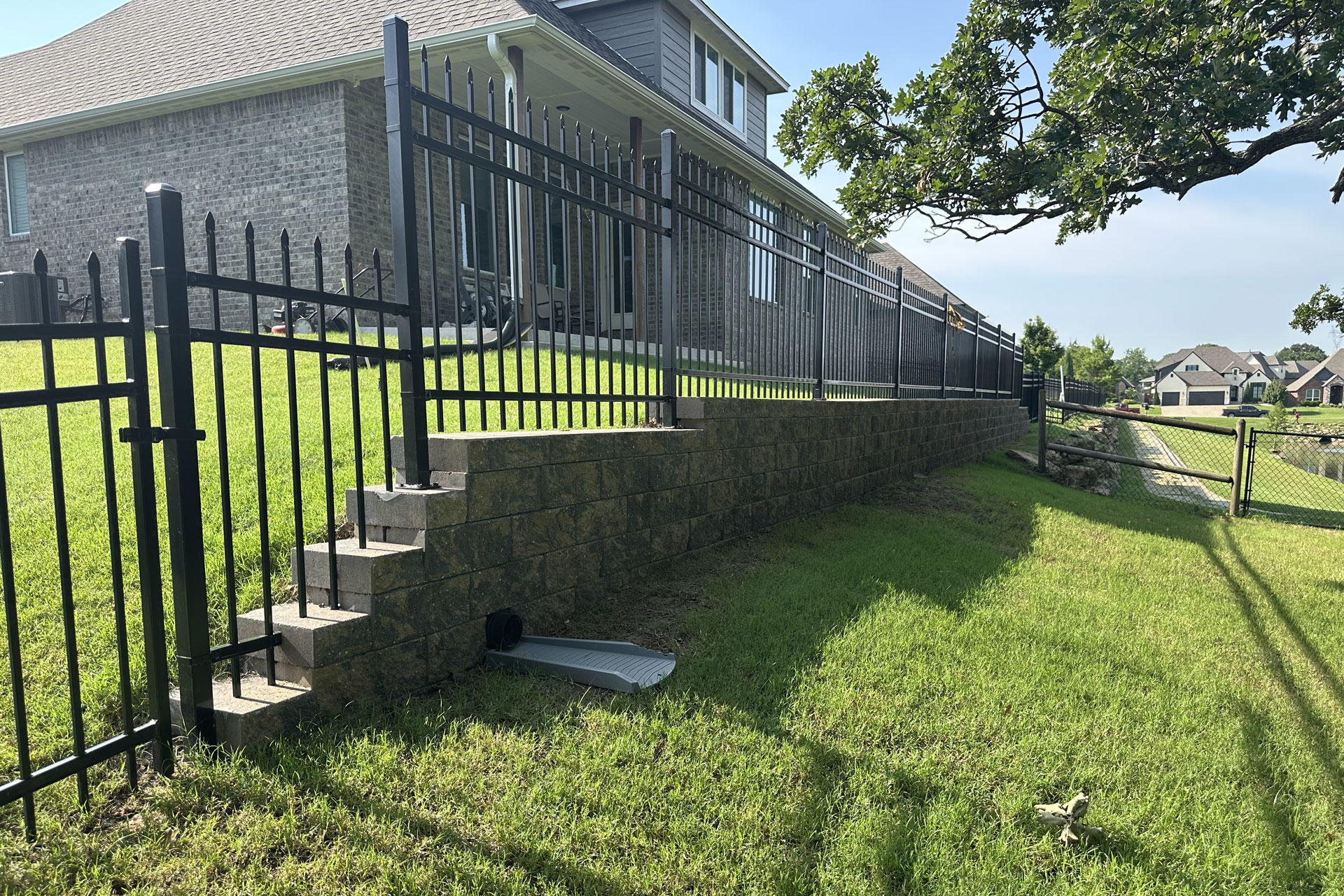
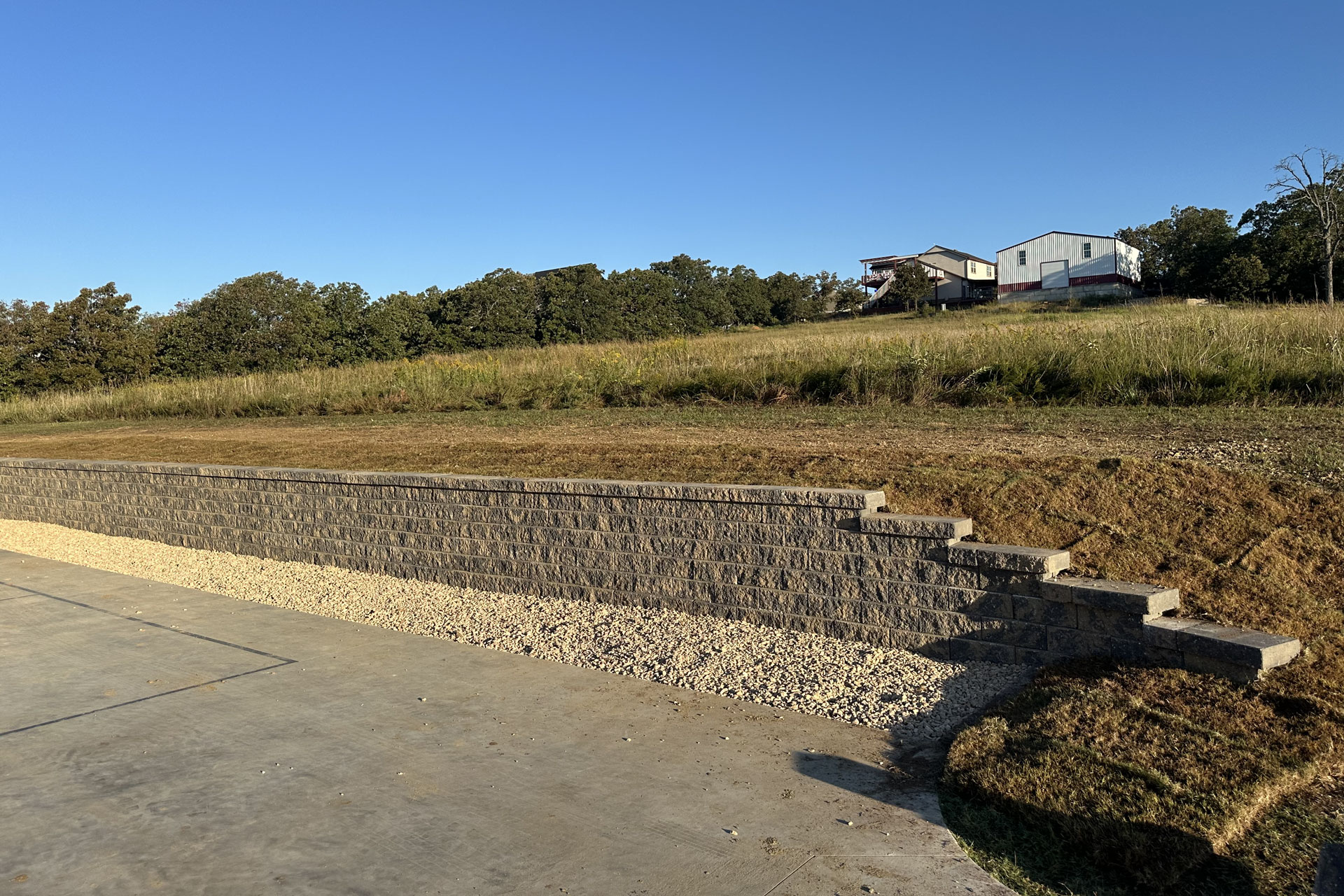
Give Affordable Drainage of Tulsa, a trusted company and contractor, a call if you need retaining wall services in Tulsa, Broken Arrow, Jenks, and surrounding areas.
Frequently Asked Questions
1. How can a retaining wall help with yard drainage?
Retaining walls manage water runoff, prevent soil erosion, and create stable, level ground. They’re especially useful in areas with expansive clay soil and heavy seasonal rainfall, like we have in Oklahoma.
2. My sloped yard washes out and gets muddy when it rains. Can a retaining wall help?
Yes. On a sloped yard, rainwater often rushes across the property, leading to washouts and muddy spots. A retaining wall breaks up the slope and reduces the speed and volume of the runoff. When it’s built with proper drainage systems, it also helps guide water into controlled drainage zones, dry wells, or storm drains.
3. How do retaining walls prevent soil erosion?
A retaining wall holds the soil in place and creates a barrier that keeps topsoil from washing away during heavy rains. That helps you avoid bare patches and exposed roots. It also protects surrounding hardscapes, like patios and driveways, from damage.
4. What is terracing, and why would I want it?
Terracing uses a series of retaining walls to turn a sloped property into flat, usable terraces. You can use them for gardens or outdoor living spaces. They also let water soak into the soil more effectively instead of flowing rapidly downhill.
5. Can a retaining wall protect my home’s foundation?
Yes. By stabilizing the soil and controlling water flow, a retaining wall reduces the risk of water pooling near or getting into your foundation. That helps prevent long-term, costly structural damage. We provide retaining wall services in Tulsa, Broken Arrow, Jenks, and surrounding areas, so give us a call at (918) 557-3058.
No job is too big or too small for Affordable Drainage Solutions.